When you own a home in Windsor, a termite inspection is not just a routine check-up. Area housing designs, seasonal weather, and moisture conditions near the Detroit River can all create the right environment for hidden pest activity. For many homeowners, early detection is the difference between a manageable repair and serious property damage that harms structural integrity.
A professional termite inspection helps detect wood destroying insects before they cause major hidden damage. Whether you live in an older wood-frame house near downtown, a finished basement in South Windsor, or a property with deck framing and fence posts exposed to damp soil, understanding termite signs and inspection steps can guard your investment. If you are looking for pest control Windsor services, knowing what inspectors look for can help you respond fast and confidently.
Why Termite Assessments Matter in Windsor
A termite inspection is essential in Windsor because the city has a mix of historic housing, humidity-prone sites, and structural details that can conceal infestations. Subterranean termites are the main concern for most homes in this region, since they live in soil and travel into structures through small entry points. They can quietly damage framing, joists, sill plates, and other hidden structural elements long before homeowners notice a problem.
A lot of Windsor properties too have conditions that raise risk. Older-style homes may have worn foundations, weathered trim, and past repairs that leave gaps. Completed basements can hide early warning signs. In some cases, a home inspection during a purchase may not be enough unless termite-related concerns are specifically addressed. A standard home inspection is important, but a dedicated termite inspection can deliver a more focused view of possible wood damage and moisture problems.
It is important to note that subterranean termites are the primary local concern, drywood termites are frequently mentioned in general pest control literature. They are rarer in Windsor than subterranean species, but homeowners should still know the difference because termite signs can differ according to the species and the severity of the infestation.
To Windsor residents, termite inspection strengthens preventive care and lasting protection. It can also be useful if buyers want peace of mind, property sellers need documentation, or a home warranty requires proof that no active infestation is present. In a real estate transaction, this kind of inspection can help avoid delays and allow everyone assess the condition of the property.
Common Clues of Pest Activity
Numerous property owner worries begin with hard-to-spot pest signs that are simple to miss. An inspection can reveal evidence, but the insects often work behind walls, under flooring, or around the exterior foundation where hidden damage can spread. Understanding what to watch for improves early detection and gives you a better chance of limiting property damage.

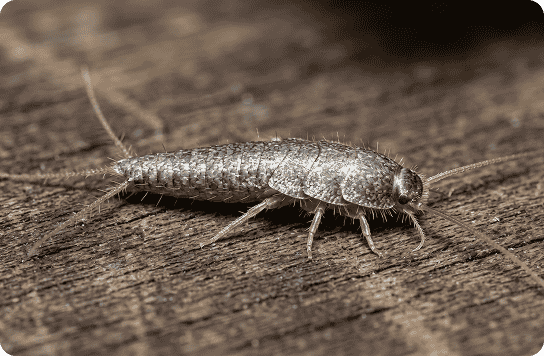
A single of the most recognizable indicators is mud tubes. Subterranean termites build these pencil-width earthen tunnels to move between the soil and the wood they feed on. You may find them along basement walls, foundation cracks, crawl space supports, or areas where moisture intrusion is present. Mud tubes are a strong reason to call a licensed inspector right away.
One more common clue is hollow-sounding wood. When termites consume wood from the inside out, the surface may still look normal even though the core has been hollowed. Tapping on baseboards, window frames, or joists can sometimes reveal a drum-like sound. Hollow-sounding wood is especially concerning when paired with visible wood damage or soft spots in trim and framing.
Frass is another term homeowners should know. This refers to termite droppings, and it is more commonly associated with drywood termites than subterranean termites. In Windsor, frass may not be the first sign most people see, but it remains an important term in pest identification. If you notice small pellet-like debris near wood surfaces, it is worth investigating further.
Other signs include swarmers and shed wings. Swarmers are reproductive termites that leave the colony to start new ones, often appearing in spring. After swarming, they may leave piles of shed wings near windowsills, doors, or light sources. Seeing swarmers or shed wings inside a home often suggests an active infestation or a nearby colony.
Because these indicators can be subtle, homeowners should not rely on guesswork. A thorough termite inspection can distinguish termite activity from carpenter ants, water stains, or normal aging. That difference matters because the right response depends on accurate identification of the pest and the source of the problem.
How a Professional Termite Check Is Conducted
A qualified termite inspection is a systematic inside evaluation and outside perimeter check performed by a licensed inspector. The process is designed to detect visible termite signs, assess risk factors, and identify conditions that can support infestation. It is not just a brief look at a few walls; it is a careful evaluation of the building envelope, wood components, and moisture conditions.
Inspectors usually begin outdoors. They inspect the exterior foundation, soil grade, wood-to-soil contact, porch supports, deck framing, fence posts, and any places where wood meets the ground. They also look for moisture intrusion, cracks, staining, and mud tubes around the base of the structure. In Windsor, the exterior perimeter matters because seasonal weather and drainage issues can allow moisture problems to develop quickly.
Inside the home, the inspector may check the basement, crawl space, utility areas, laundry rooms, and visible framing. Many Windsor homes have finished basements, so an inspection may also include accessible trim, subfloor edges, and areas around plumbing penetrations. Hidden damage often starts in damp or poorly ventilated spaces where termites can feed undisturbed.
A moisture meter is often used to identify elevated moisture levels in wood or building materials. This tool helps the inspector determine whether conditions are suitable for termites or whether there may be a leak, condensation issue, or other moisture source that needs correction. An infrared camera may also be used to look for temperature anomalies that can suggest moisture intrusion or hidden activity behind walls.
Depending on the home, the inspector may also evaluate the attic, especially if there are roof leaks, poor ventilation, or signs of wood damage in framing members. While termites are often associated with lower levels of the house, the attic can still reveal clues about broader moisture and maintenance issues that affect the entire structure.
After the inspection, the homeowner gets an inspection report. This document https://privatebin.net/?6fa314dd9f47f81c#36bHfUWMTrvVxQTjUyJAA4Jmup3V3tPJw3ubkAKnWtdH outlines inspection findings, details concerns, and shows whether follow-up is needed. When activity is detected, the report may recommend a control plan that includes bait stations, a liquid barrier, or both. It may additionally point out areas for correction, such as fixing leaks, improving drainage, or closing entry points.
Windsor Properties and Nearby Termite Risk Factors
Local conditions in Windsor make inspections for termites especially important. There are many older homes in the city, especially in established neighbourhoods where wood framing and finished basements are common. Older homes often have more openings, repairs, and hidden voids where termites can enter without detection. The age of the structure does not guarantee an infestation, but it does increase the value of careful inspection and routine upkeep.
Close proximity to the Detroit River is another important factor. Riverfront moisture and overall humidity can contribute to ideal conditions for termites by keeping soil damp and increasing the chance of dampness entering around the foundation, underfloor areas, and basement walls. If wood stays wet for long periods, it becomes more vulnerable to pest activity and material decay.
The seasonal freeze-thaw cycles in Southwestern Ontario also play a role. As temperatures fluctuate, materials expand and contract. As time passes, this movement can create cracks in the foundation, openings at joints, and small openings in the exterior foundation. Such gaps may seem minor, but they can allow moisture and termites simpler access into the home.

Windsor properties can also have particular exterior features that deserve attention. Deck supports, fence posts, sheds, and attached structures often sit close to wet soil or landscaping beds. These elements are common entry points for subterranean termites and can serve as a pathway toward the home if direct wood contact with soil is not controlled.
In neighbourhoods with mature trees, dense planting, or older drainage systems, local conditions may further increase humidity problems. This does not mean all properties are highly vulnerable, but it does mean homeowners should remain vigilant. A proactive inspection is a smart way to confirm that the home is not already showing early termite signs.
When to Contact Pest Control Windsor Specialists
If you notice mud tubes, hollow-sounding wood, swarmers, shed wings, or unexplained wood damage, it is the time to contact pest control Windsor specialists. Even if you are uncertain the issue is termites, a professional can identify the pest and determine whether the home needs termite treatment. Quick action is important because termites can keep creating property damage while the issue remains hidden.
Homeowners often put off action because the signs are subtle or because they assume the problem is only cosmetic. In reality, termite damage can affect structural integrity and lead to costly repairs if ignored. The sooner a licensed inspector confirms the situation, the more treatment options are available.
You should also schedule a preventive inspection if you are buying or selling a home. In a real estate transaction, termite concerns can affect negotiations, closing timelines, and repair responsibilities. Buyers may want protection against hidden damage, while sellers may need documentation for confidence and disclosure. A home warranty may also require evidence that the property has been inspected and any issues addressed properly.
Pest control Windsor professionals can recommend a treatment plan based on the severity of the infestation and the layout of the property. Common approaches include bait stations placed around the structure to reduce colony activity and a liquid barrier treatment around the exterior foundation to create a protective zone. The best option depends on the inspection findings, the building materials, and the extent of the problem.
If you have already had one inspection, follow-up may still be necessary. Termite control is not always a one-time event. Periodic checks help confirm that treatment is working and that new moisture problems or access points have not developed. For many Windsor homeowners, this is part of sensible long-term protection.
Tips for Preventing Termites for Windsor Property Owners
Termite prevention begins with reducing the circumstances they need to thrive. Since subterranean termites rely on humidity and contact with wood, reducing excess moisture and eliminating access points are key parts of preventive maintenance.
- Reduce wood-to-soil contact: Maintain siding, trim, and structural wood separated from direct contact with soil. Avoid storing firewood, lumber, or cardboard against the house. Maintain gutters and downspouts: Gutter maintenance helps direct water away from the foundation and lessens pooling near the exterior perimeter. Improve landscaping practices: Good landscaping should not trap moisture against the home. Keep shrubs trimmed back and ensure mulch is not piled too high against the foundation. Watch for leaks and condensation: Repair plumbing leaks, improve ventilation, and address moisture intrusion in basements, crawl spaces, and around windows. Inspect outdoor structures: Inspect deck framing, fence posts, sheds, and steps for softness, swelling, or signs of hidden damage.
These steps are especially valuable in Windsor because local weather patterns can make moisture management a year-round task. Heavy rain, snow melt, and freeze-thaw movement all create opportunities for water to enter the structure. If water remains trapped near wood, termite risk can rise.
Homeowners should also add inspection to their regular preventive maintenance routine. Even if you have never seen termite signs, periodic checks can detect early changes before they develop into a larger infestation. That is particularly important in older homes or properties that have had repairs to the basement, foundation, or landscaping.
What to Look for from an Inspection Report
An inspection document is one of the most useful outcomes of a termite inspection because it turns what the inspector observed into practical next steps. It typically includes what was found, the areas inspected, any evidence of termite activity, and a summary of conditions that may support future problems.
If termites are found, the report may pinpoint the type of evidence, the likely entry point, and the level of risk. It may also distinguish an active infestation from outdated or dormant signs. This distinction counts because not every trace on wood means a present problem. A careful report helps homeowners prevent unnecessary worry while still addressing real risks.
The plan of treatment part of the assessment outlines the recommended course of action. In some cases, that might involve bait stations, a liquid barrier, repair of moisture sources, or building remediation. If the inspector finds no current infestation, the document may still recommend ongoing prevention, or a follow-up inspection after a certain amount of time.
A thorough report also identifies spots needing follow-up. For instance, if the basement has elevated moisture, the inspector may advise additional assessment of drainage or ventilation. If foundation cracks are present, sealing or repair may be advised. If the attic has signs of roof leakage, that may also be mentioned because moisture issues in one area can contribute to termite risk elsewhere.
For Windsor homeowners, the assessment summary can serve several purposes. It can assist with a real estate transaction, meet a home warranty requirement, direct remediation work, and provide a record of long-term protection efforts. Well-documented notes also helps if you need to compare future inspections and see whether conditions have changed.
Common Questions About Termite Inspection in Windsor
How much does a termite inspection cost in Windsor?
Inspection pricing can vary based on the size of the home, the layout, and whether the property has a basement, crawl space, attic access, or other areas that require extra time. Some pest control Windsor companies may include a termite inspection with other services, while others invoice separately. The best approach is to seek a clear estimate that outlines what is part of in the visual inspection, whether a moisture meter or infrared camera is used, and whether an inspection report is included.
How frequently should Windsor homes be inspected for termites?
Inspection frequency depends on the age of the home, local conditions, and whether you have had previous termite activity. Homeowners often benefit from a preventive inspection every year or every few years, especially if the property is in an older neighbourhood, has moisture problems, or has a history of foundation cracks. Homes involved in a real estate transaction should always be inspected as part of the due diligence process.
What are the first signs of termite damage in a house?
Common early indicators include mud tubes, soft or hollow-sounding wood, buckling trim, small cracks in wood surfaces, and shed wings near windows or doors. You may additionally notice doors or windows that begin to stick, though that can happen for other reasons too. Since concealed damage is common, any suspicious changes should be checked by a licensed inspector rather than assumed to be cosmetic.
Are termites sometimes found in basements and crawl spaces?
Yes. In fact, basements and crawl spaces are two of the most important areas to inspect because they often have the moisture and access conditions termites prefer. In Windsor homes, finished basements can hide activity, while crawl space supports and sill plates may show mud tubes or wood damage. They are a key part of a thorough interior assessment.
What should I do if a termite inspection finds activity?
If termites are detected, the next step is to review the inspection report and treatment plan with the pest control professional. Depending on the severity, treatment may include bait stations, a liquid barrier, repairs to moisture intrusion, and possible structural remediation. You should also address any contributing issues such as poor drainage, wood-to-soil contact, or foundation cracks so the problem does not return. Prompt follow-up helps preserve structural integrity and reduces long-term property damage.
Mosquito Man Windsor
2485 Front Rd, LaSalle, ON N9J 2C5, Canada
+1 226-526-4711
https://maps.app.goo.gl/JwhSC65zfbLWNH6v7
https://mosquitoman.ca/pest-control/windsor/
42.2161228, -83.1003005